

Recovery for Desk Workers: Reversing the Damage of Sedentary Work
The modern workplace has created a recovery problem that most people recognise in their bodies but rarely address directly.
Prolonged sitting compresses the lumbar spine, shortens hip flexors, reduces circulation in the lower limbs, elevates baseline cortisol, and keeps the nervous system in a low-grade state of sympathetic activation for hours at a time.
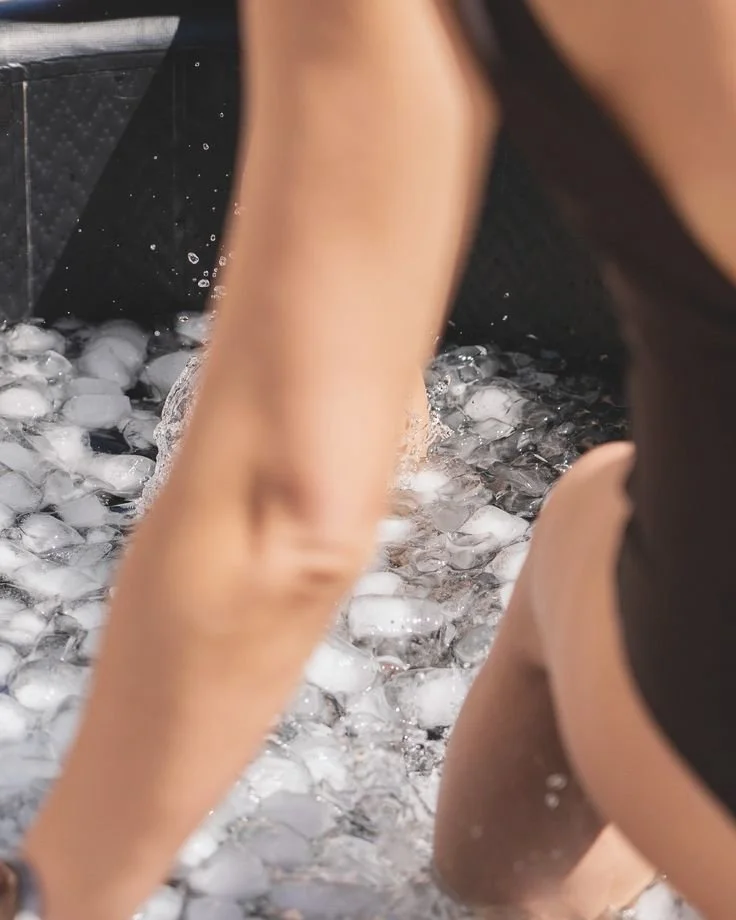
Hormetic Stress: Why Discomfort in Small Doses Makes You Stronger
There is a deeply counterintuitive idea at the heart of modern recovery science: that certain forms of controlled discomfort make the body more resilient, not less.
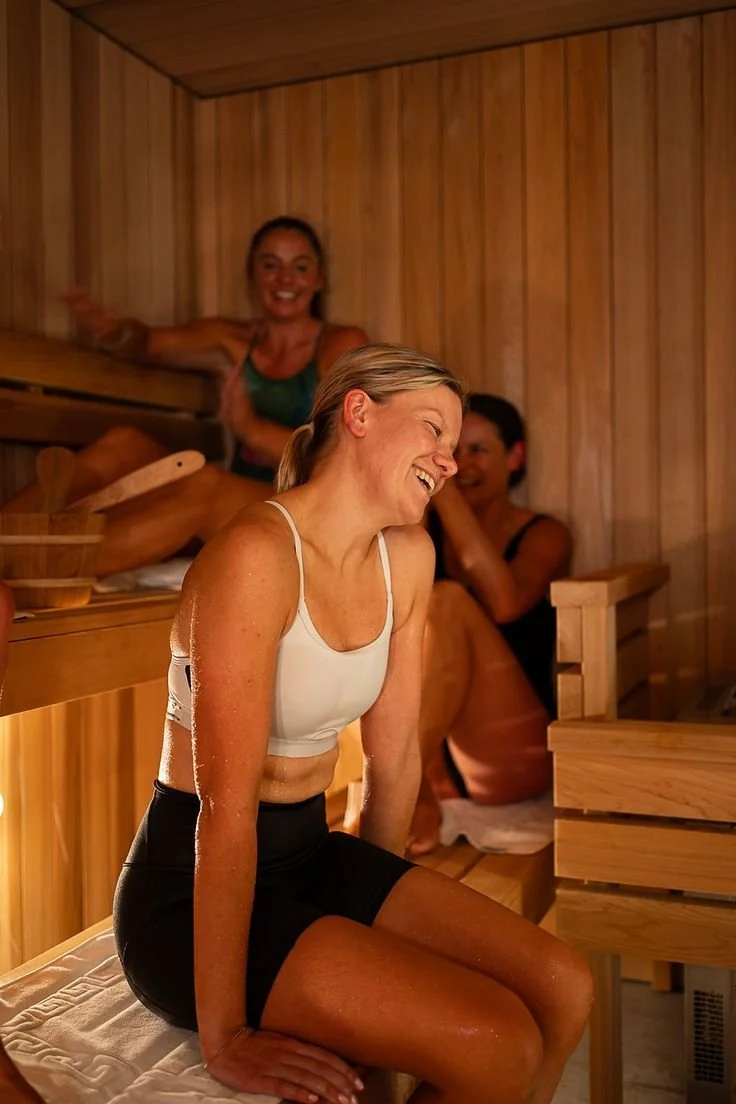
Stress, Cortisol and Recovery: How Thermal Therapy Resets the HPA Axis
Stress is often described in psychological terms — pressure, anxiety, overwhelm. But beneath every subjective experience of stress lies a precise biological cascade, coordinated by one of the body's most powerful regulatory systems: the hypothalamic-pituitary-adrenal axis, or HPA axis.
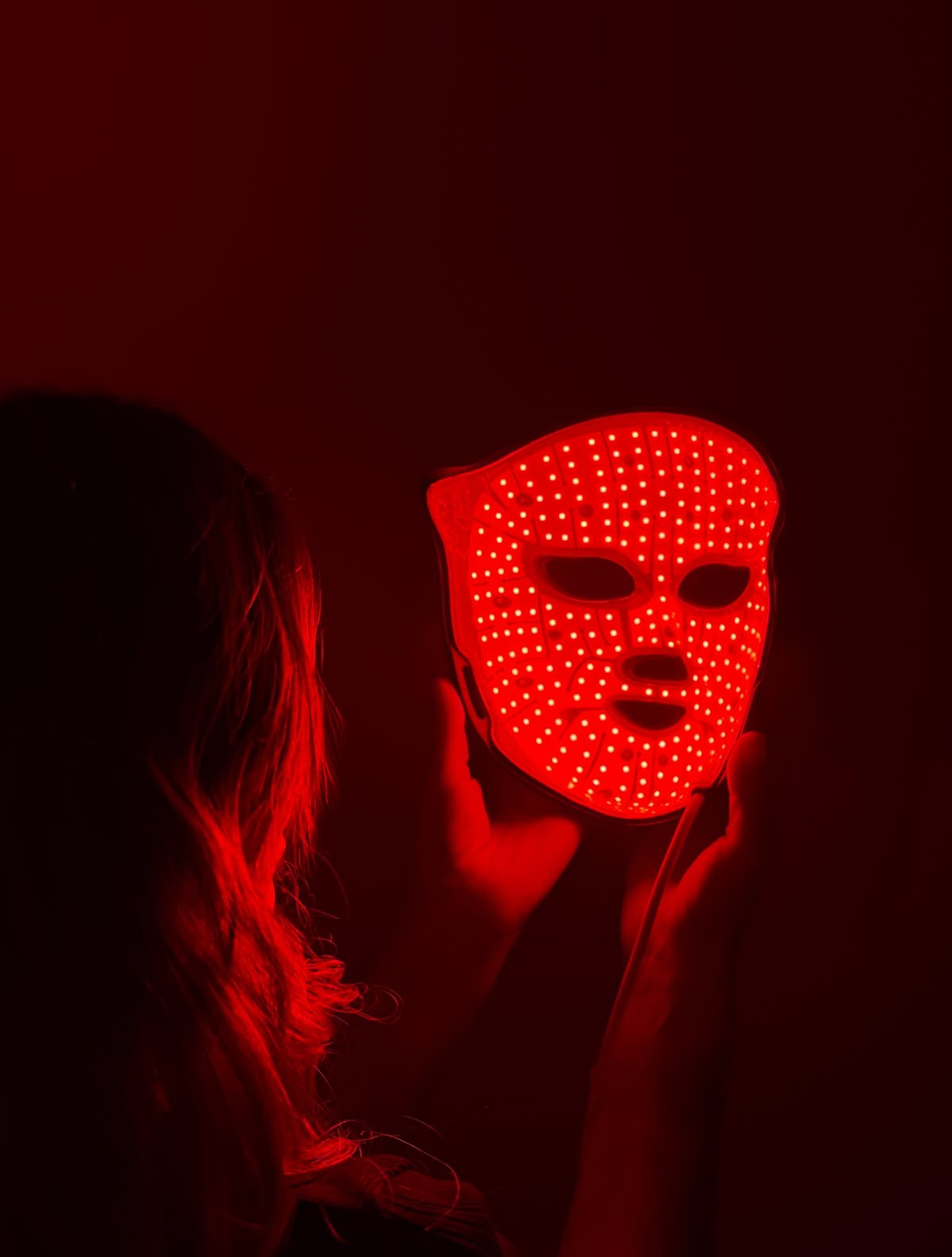
The Science Behind LED Light Therapy
Light has been used therapeutically for decades in clinical settings, but recent advances in LED technology have made it accessible as a precise, non-invasive tool for skin recovery and regeneration.
Eye Fatigue and Screen Recovery: Why the Visual System Needs Active Rest
The human visual system was not designed for the demands of modern life.
Hours of sustained near-focus on screens, combined with artificial lighting, high-contrast displays and minimal blinking, place continuous and largely unrelieved strain on the eyes and the brain structures that process visual information.
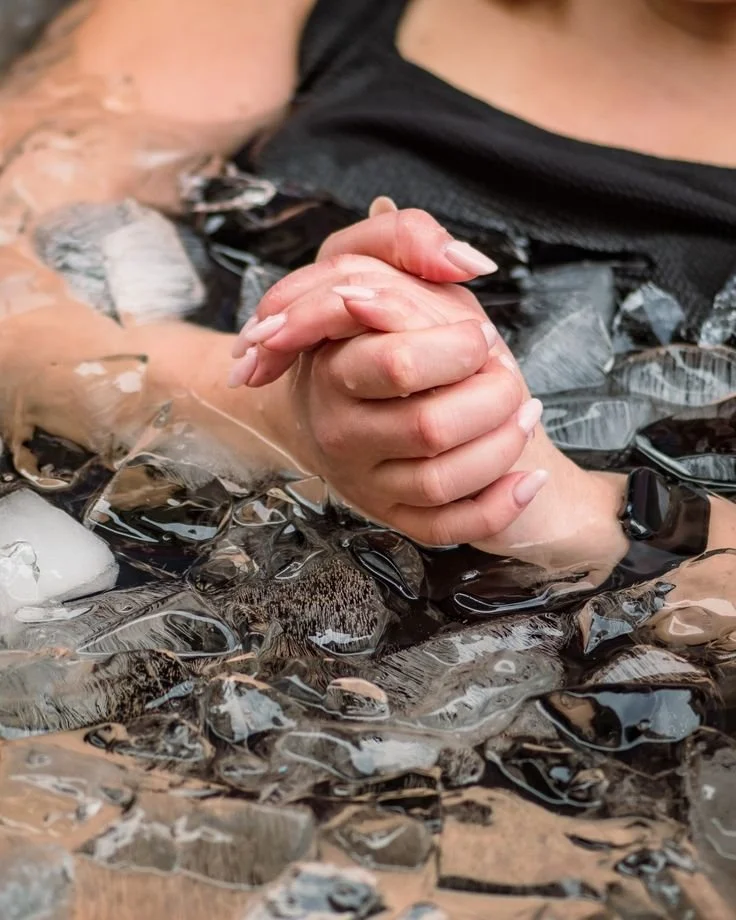
Why Athletes Need Contrast Therapy, Not Just Ice
For decades, the default response to post-training soreness and inflammation was simple: apply ice, rest, and wait. The RICE protocol — Rest, Ice, Compression, Elevation — became standard practice across sports medicine and recreational fitness alike. But the evidence has shifted considerably.
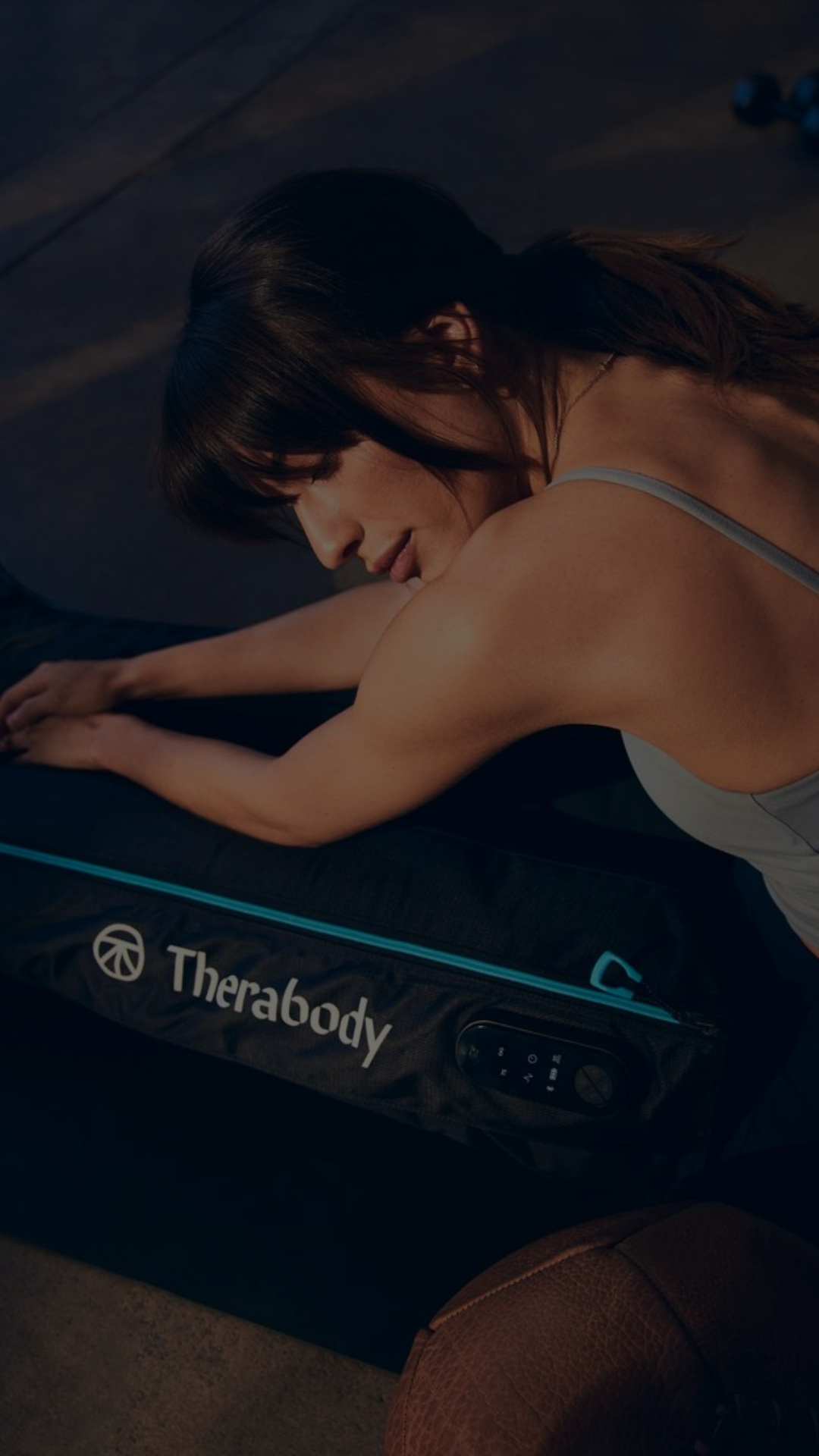
The Lymphatic System: Why Pressotherapy Works and When to Use It
Most people are familiar with the cardiovascular system — the heart pumps blood through arteries and veins in a continuous, driven cycle. The lymphatic system works alongside it, but with one critical difference: it has no pump. Lymphatic fluid moves through the body entirely through muscle contractions, breathing, and postural changes.
Heart Rate Variability (HRV): What It Reveals About Recovery
Recovery is not always easy to measure. Fatigue, stress, and nervous system overload can accumulate gradually, often before the body shows obvious signs of exhaustion.

Can Recovery Improve Sleep Quality?
Sleep is one of the most essential parts of recovery, yet for many people, truly restorative sleep has become increasingly difficult. Stress, overstimulation, irregular routines, excessive screen exposure, and mental fatigue can all interfere with the body’s ability to fully relax at night.
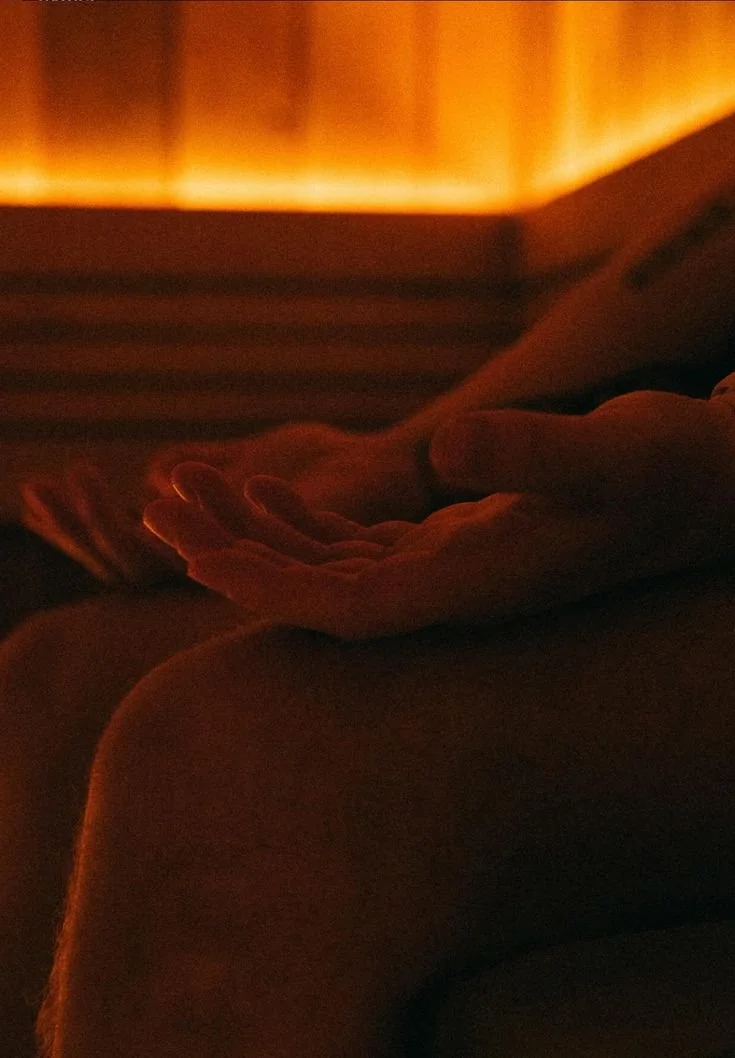
Recovery Is Not Luxury — It’s Biological Maintenance
Modern life often keeps the body in a constant state of stimulation. Long work hours, notifications, intense training, stress, and lack of proper rest can gradually affect sleep, focus, energy, and physical recovery.
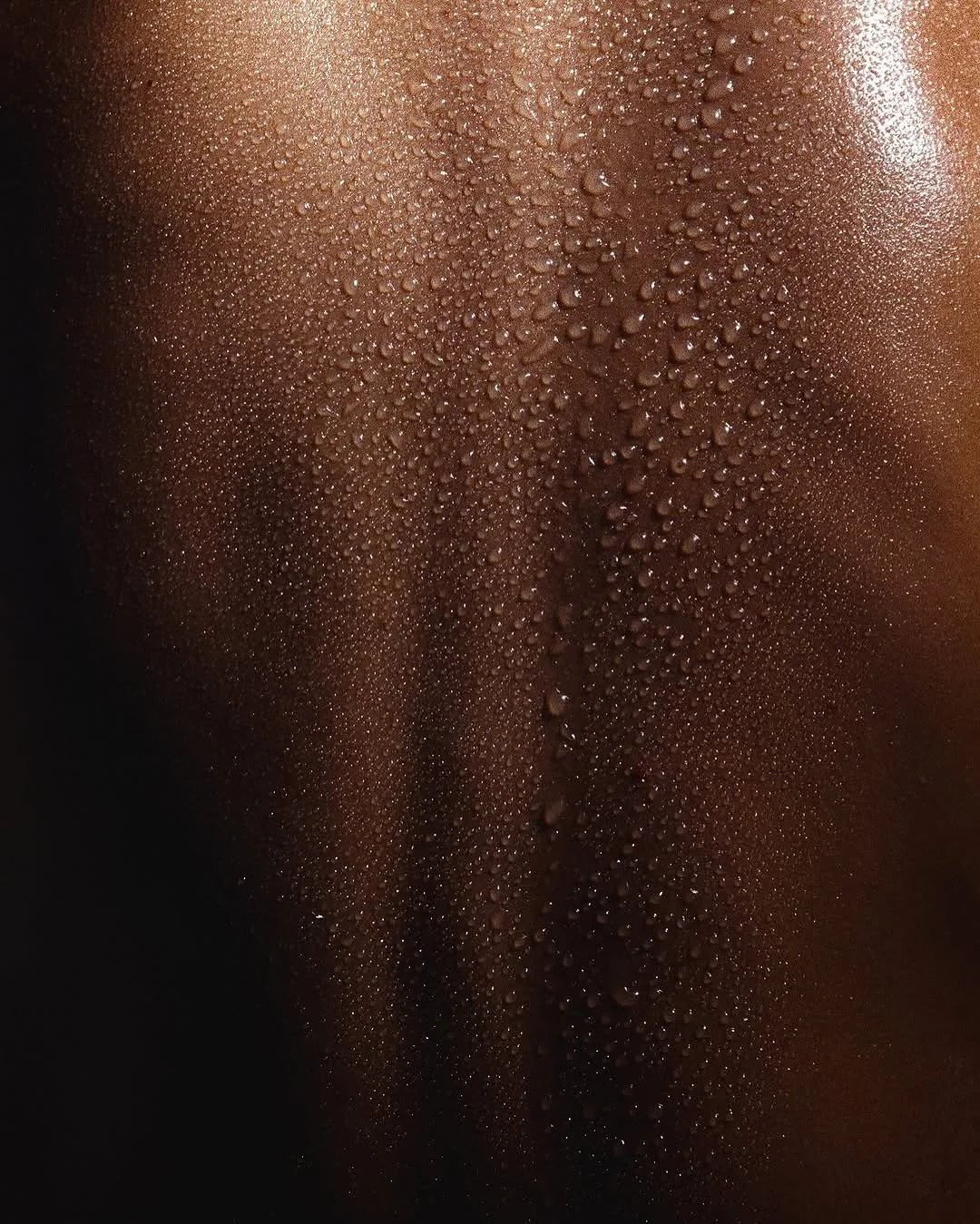
Lower Back Thermal Therapy: Why Heat Matters for Recovery and Comfort
Lower back discomfort is one of the most common physical complaints, often affecting movement, posture, and daily comfort. Whether caused by long periods sitting, physical strain, or accumulated tension, it can gradually limit how the body moves and feels.
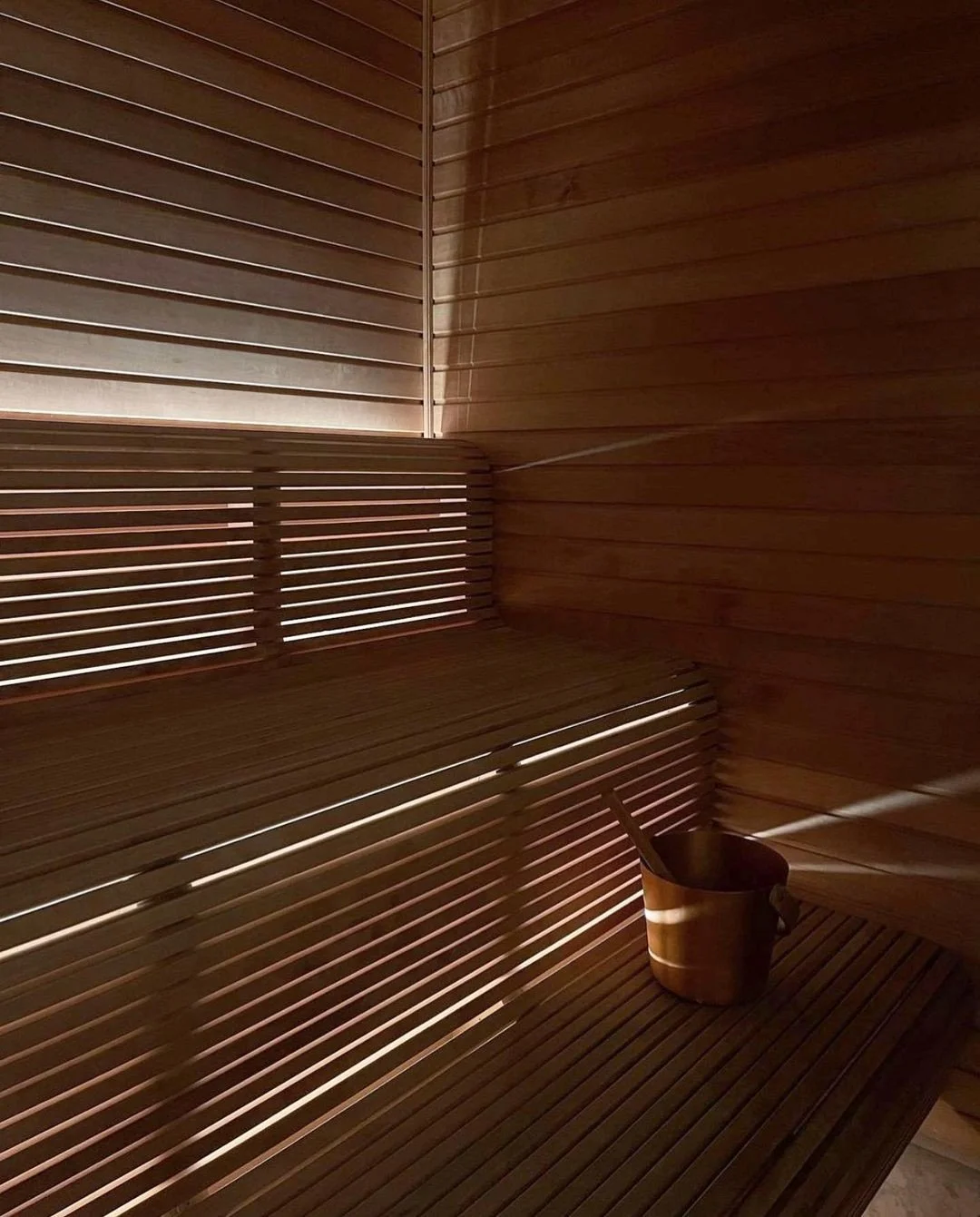
Finnish Sauna vs Infrared Sauna: Understanding the Differences for Recovery
Heat has long been used as a tool to support recovery, relaxation, and overall wellbeing. Today, different forms of sauna offer distinct ways of experiencing this effect, with Finnish and infrared saunas being among the most common.
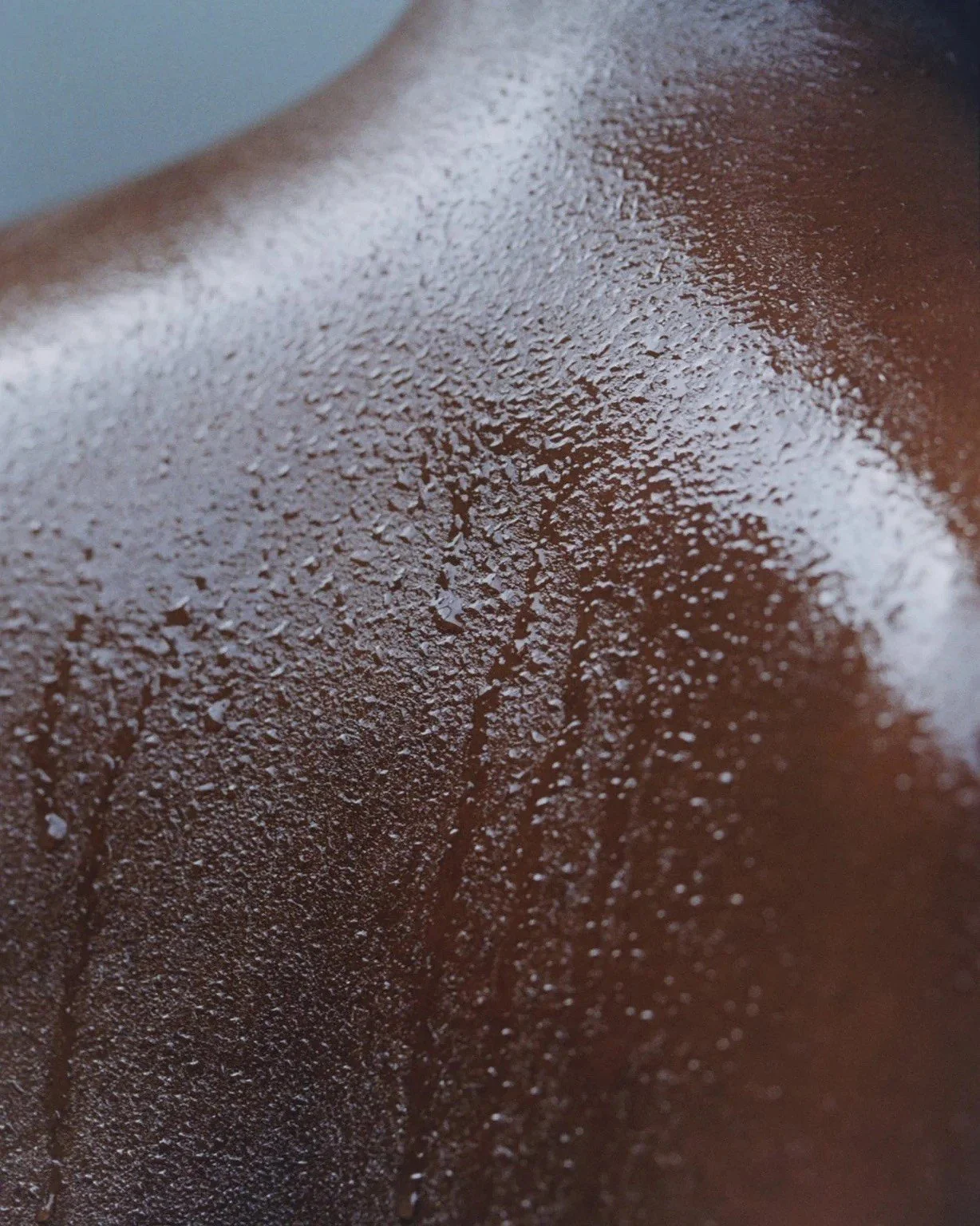
What Happens in Your Body During Contrast Therapy (Heat and Cold)
Contrast therapy — the practice of alternating between heat and cold — has long been used to support recovery after physical activity. More recently, it has also become a way to regulate the nervous system and restore balance in the body.
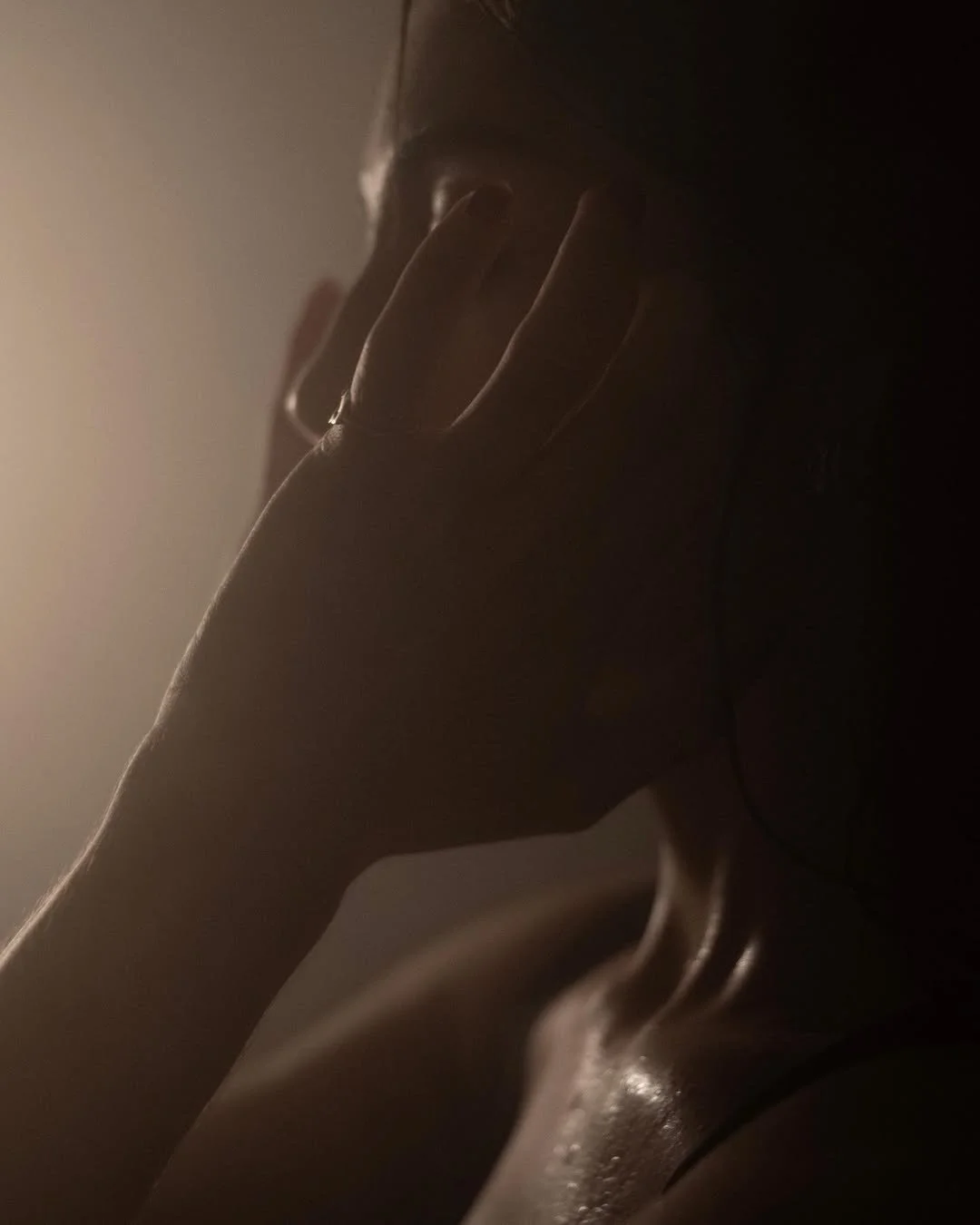
How to Build a Recovery Routine: Structuring Heat, Cold and Rest
Recovery is often treated as something passive — a moment that happens after effort. But in practice, recovery can be approached with the same intention as training or work.
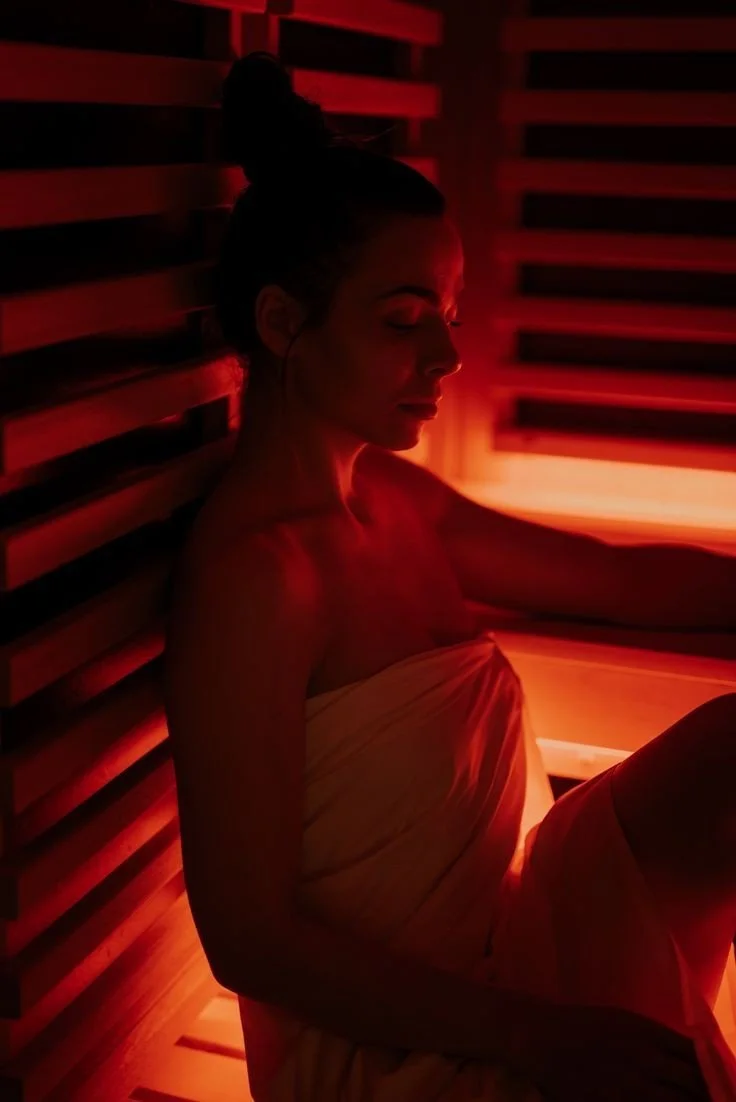
How Infrared Therapy Supports Recovery and Wellbeing
Infrared (IR) therapy is an increasingly relevant practice in modern wellness, known for its ability to influence cellular function, circulation, and nervous system regulation.

Sound as a Tool for Physical Recovery and Sensory Reset
Sound is more than a background experience — it is a multi-sensory input that can influence how the body recovers after physical activity. Beyond its role in regulating the nervous system, sound has measurable effects on circulation, muscle tension, and sensory integration.

The Importance of Pausing: Caring for Your Body and Mind
In today’s fast-paced world, taking a moment to pause often feels like a luxury rather than a necessity. Yet, science increasingly shows that intentional breaks — moments dedicated to slowing down — are vital for both physical and mental wellbeing


Heat Therapy Beyond Relaxation: Sauna, Hormesis and Recovery
Heat therapy has long been associated with relaxation, comfort and stress relief. Yet research increasingly shows that the effects of heat exposure — particularly through sauna use — go far beyond simple relaxation.
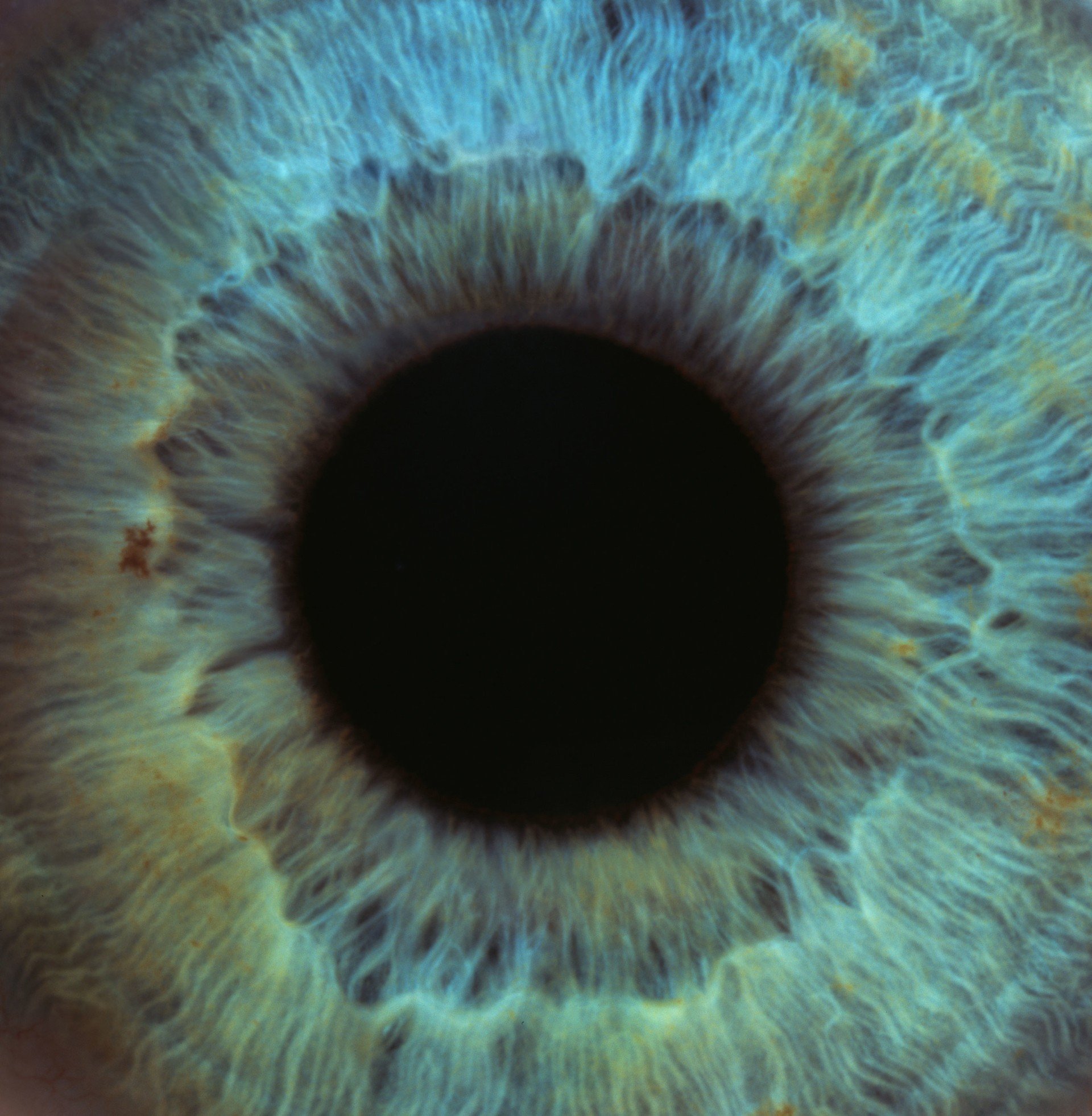
Visual Overstimulation and Cognitive Fatigue: Why the Eyes Need Recovery
In modern environments, the visual system is under constant demand. Screens, artificial lighting, rapid visual transitions and prolonged near-focus place continuous strain on the eyes and the brain.